
New customs and tax rules after Brexit
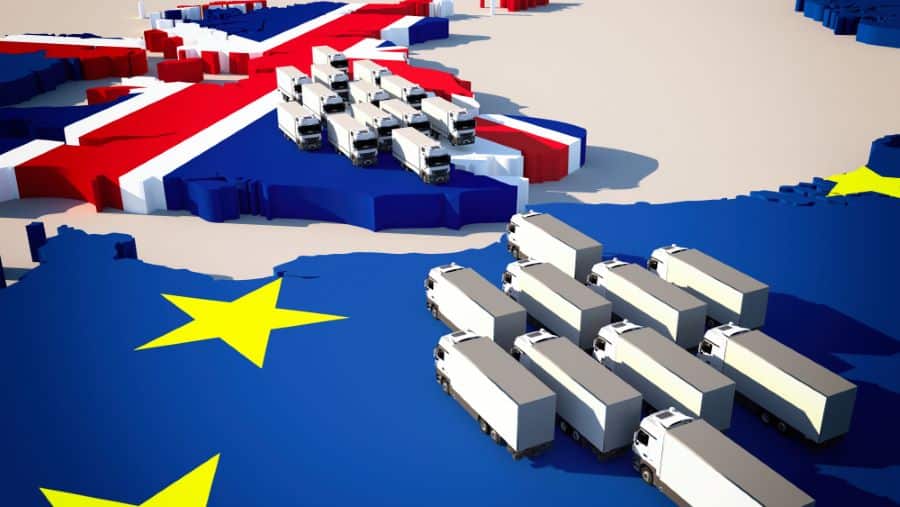
With the United Kingdom’s exit from the European Union, new customs and tax rules were introduced that affect trade between the United Kingdom and the European Union. These new rules have been implemented to ensure that trade between the UK and the European Union remains as smooth as possible, despite the UK’s exit from the EU.
One of the main changes is that the UK has become a third country for the EU. This means that in order to export or import goods between the UK and the EU, you must comply with the new customs and tax rules.
The new customs rules include the obligation to provide additional information, such as the customs declaration and tariff code, for all imported or exported products. In addition, goods must be declared to the customs office before arrival or departure.
There are also new tax rules that affect the taxation of goods. For example, VAT will be applied to imports from the UK to the EU and vice versa. In addition, there will be new rules on invoicing and recording of business transactions.
For businesses trading between the UK and the EU, it is important to keep these new rules in mind to avoid delays or problems in transporting goods. Additionally, businesses should ensure that they have the necessary documents and that they meet the required delivery time.
For businesses trading with the UK and EU, it’s important to keep in mind that there may be additional costs associated with complying with the new customs and tax rules.
Ad hoc considerations will have to be made depending on the specific goods that will be moved across the UK border. Some examples are provided below.
Food, beverages or agricultural products in the new Brexit customs
Products of animal origin for human consumption imported from the EU into the UK are subject to new rules.
Since October 2021, it has not been possible to import certain goods from the EU into Great Britain. These include chilled ground beef and ungraded eggs.
In addition, the UK is gradually introducing controls on imports of animal products from the EU.
From October 2021, the authorities in charge must be informed of the import of this type of products and will use the import control system for products, animals, food and feed. This system is known as IPAFFS, an acronym for Import Products, Animals, Food and Feed System.
Products of animal origin produced in accordance with this requirement are already subject to this requirement. A health certificate will be required.
In some cases, an import license and commercial document will also be required.
Brexit rules for commercial goods imported in luggage or small vehicles
Commercial goods carried in luggage or in a small vehicle, to be used or sold in a business, must be declared.
You can make a declaration online as long as the goods are:
- Under £1,500 worth
- Weigh less than 1,000 kg
- Are not restricted goods
- It is not alcohol, fuel or tobacco
Importers must apply no later than 5 days before travel to the UK. This will facilitate a quick and easy border crossing on arrival.
VAT rules after Brexit
After Brexit, some changes have been made to the VAT legislation. These changes were frozen for the first 6 months to give companies the time they needed to adapt to the new system.
To properly comply with tax obligations after Brexit, businesses in EU27 countries must register for a VAT number in the UK.
Conversely, UK organisations wishing to trade with the EU will need to register with the community for an EU VAT number.
However, businesses must also register for VAT in the UK if they are part of the online marketplace – OMP, facilitating the sale of goods located outside the UK to customers residing in Great Britain. They must also register if they make direct sales to customers based in the UK, selling products or goods from outside the country.
Items valued at less than £135 imported into the UK to be sold are exempt from VAT. This is the maximum exemption value for items and shipments that are brought into the country according to the regulations in force for non-EU countries.
UK and EU traders should still keep up to date with the latest official information regarding import and export regulations.
Other consequences of the end of free movement
In addition to goods, the free movement of people has also been strongly influenced by the UK’s exit from the EU.
Although European tourists do not need a formal short-stay visa, they will soon need a UK ETA.
EU and UK citizens are no longer able to live, work and study long-term in each other’s countries without applying for the necessary permit or visa.
In summary, the new customs and tax rules after Brexit have introduced significant changes in trade between the UK and the European Union. To ensure that trade remains as smooth as possible, it is important for businesses to be aware of these new rules and comply with their requirements.