
How will travel to the UK change after Brexit?
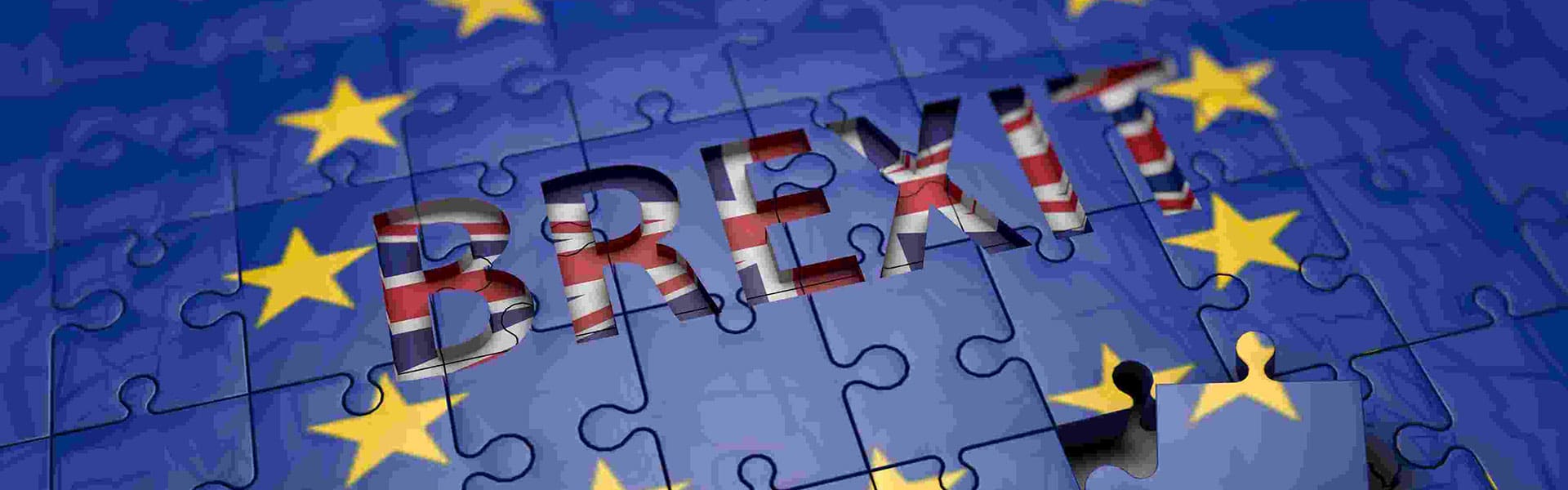
Now that Brexit has happened and the UK has officially left the EU, there are still question marks over how travel to Britain will change in the future.
At the moment, travelers from EU member states can still only visit the UK with a visa-free ID card or passport. However, the free movement of people is expected to end in the UK when the Brexit transition period ends in December 2020. This will lead to many changes in the way EU citizens can visit Britain.
The following article will explain in detail the possible differences that international travelers will have to consider in the near future. It also sheds light on how tourists will be able to visit the UK before the transition ends, and why travelers may soon apply for a UK eTA visa waiver.
Changes after the UK leaves the EU
The situation with travel and visas will not change immediately after Brexit. This is because the UK and the EU signed a withdrawal agreement in January 2020 that sets out an 11-month transition period before the new rules can enter into force.
The terms of the agreement allow the general immigration, customs and procedural rogles to operate as previously until December 31, 2020. From January 1, 2021, changes in the travel policy and procedure will come into effect. Meanwhile, under the terms of the Withdrawal Agreement, it is still possible for EU citizens:
- Visa-free travel between the EU and the UK with national ID cards or passports
- Living and working in the UK
- Emigrate to the UK
- Use European Health Insurance Cards (EHIC) for medical needs in Great Britain
How should EU tourists prepare to visit the UK from 2021?
There will be a number of changes to the way travellers enter the UK from the EU even before the launch of UK eTA. However, many other entry procedures for the UK will remain the same.
Visitors from Europe may find after 2021that they are no longer able to travel to Britain with only their national identity cards as possible at the moment. Visitors are therefore advised to bring their passports when arriving in the UK after 2021.
In addition, the EHIC card that covers healthcare while travelling in Europe will no longer be valid in Great Britain. Instead, tourists will need to secure adequate health insurance coverage when visiting the UK in the event of illness or injury.
In addition, European travellers arriving in Britain with more than £10,000 in cash will need to make a declaration to HM at customs upon entry into the country. This should be done regardless of whether the money contains banknotes, coins, cashier’s checks, cheques, or bearer bonds.
In addition, European mobile network operators will no longer be able to offer roaming charges for visitors to the UK once the transition period has ended. Travelers will need to check with their network provider prior to arrival to ensure they do not have to pay additional fees to make phone calls, send text messages, or use mobile internet.
What will happen at the end of the release period?
Talks between the UK and EU are ongoing, and as yet it is not known what deal will be struck regarding immigration and cross-border travel. However, the British Home Office has made a number of suggestions for how EU citizens will be treated by immigration authorities when the transition period ends.
Talks are underway between the UK and the EU, and it is not yet known what agreement will be reached on immigration and cross-border travel. However, the UK Home Office has provided a number of suggestions on how EU citizens will be treated by immigration authorities at the end of the transition period.
UK eTA visa waiver for tourists in the UK
It is very likely that when freedom of movement ends, visa-free travel will become a necessity for EU citizens. This was first discussed in a UK government white paper in 2018 and has remained a consistent policy point ever since.
Current UK Home Secretary Priti Patel also recently indicated that visa-free travel will be required of EU travellers to Britain after the Brexit transition is complete. In an announcement in November 2019, Ms Patel called for the implementation of an electronic customs clearance system. This new e-visa waiver is expected to be similar to those used by the US and Canada and those that will soon be introduced by the EU itself. The system proposed by the Ministry of Home Affairs is an Electronic Travel Authorization (eTA) that will require EU visitors to:
- Fill out an online form before travelling to the UK
- Send candidate identification documents in preview
- Pay an eTA fee
In addition, under the requirements of the proposed eTA, applicants would have to register for the system no less than 3 days before travelling to the UK and should be in possession of a biometric passport. It has not yet been explicitly stated how valid this visa waiver will be.
Immigration Points System for Workers
Throughout the Brexit negotiations, the UK government has consistently advocated a points-based immigration system for workers entering the country from the EU. This will be similar to the policy currently used in Australia and the one already in use in the UK to check foreign workers from countries such as India, Russia or China.
To obtain a visa under this system, workers will be evaluated based on their professional skills, earning potential, demand in the job market, and sponsorship from a UK-based company. Those who are successful will receive a Tier 2 or General Work visa and will be able to live and work in the UK for between 3-5 years.
Visas for talents, academics and scientists
Global Talent visas have also been scheduled to launch in February 2020. These have been designed to cater to exceptional talent in business, academia, the arts, and science.
It is available to applicants from eligible fields that are approved by a designated competent body in their field. Once approved, it grants holders a Tier 1 visa that is valid for 3-5 years.
There is still a lot of work to be done before comprehensive policies are agreed and the new normal becomes clear for travellers to the UK. However, what is already becoming apparent is that there will soon be changes in the way people travel to Britain.