
Differences between England, Great Britain and the United Kingdom
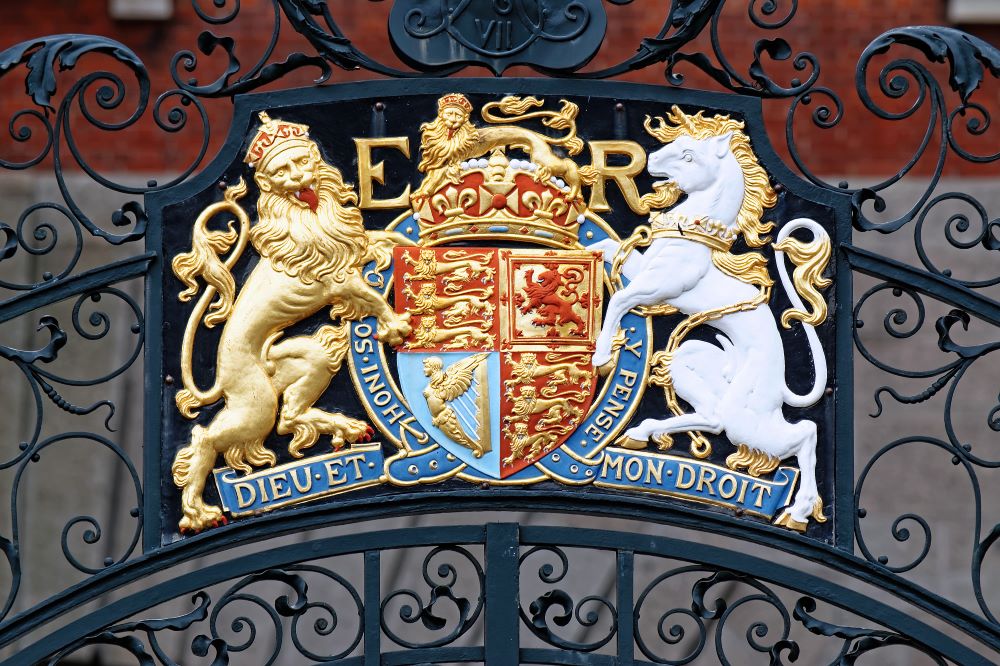
When visiting the United Kingdom there is often a veiled confusion about whether they exist and what are the differences between England, Great Britain and the United Kingdom itself.
These 3 entities are not quite the same thing although there are many things in common, which in turn overlap with each other.
Many changes are expected in the way people will travel in the UK after Brexit. Therefore, knowing in detail the memberships of the various British countries can be important.
To make it easier, this article explains the main distinctions between England, Great Britain and the United Kingdom. The aim is to give visitors a clearer picture of the country, offering clarification on:
- The countries that make up the United Kingdom
- How Britain and England are different from each other
- What are the British Isles
- Languages spoken throughout the UK
What is UK?
The United Kingdom is officially known as the United Kingdom of Great Britain and Northern Ireland. It is a country located in the British Isles in the North Atlantic, about 30 miles (about 50 km) off the coast of northwestern Europe.
The United Kingdom has 4 countries within its borders. These include:
- England
- Scotland
- Wales
- Northern Ireland
Each member country is an equal constituent of the United Kingdom, whose principal, administrative capital of the nation is London.
In total, about 68 million inhabitants are hosted in the territory.
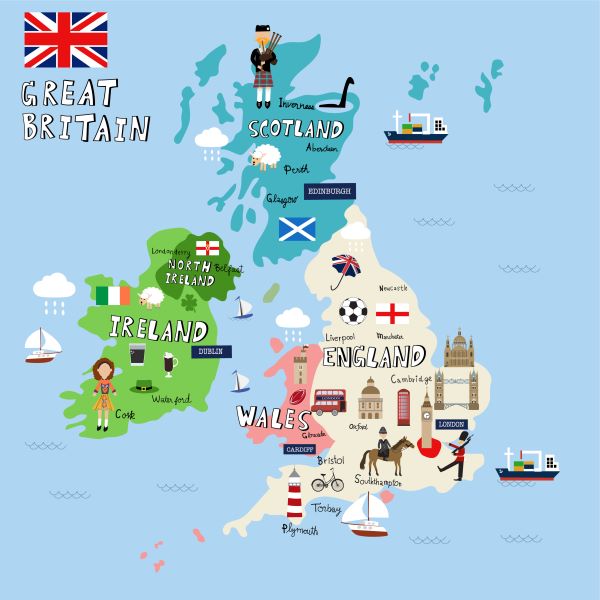
Map of United Kingdom
All 4 countries have their own capitals and, in the case of Scotland, Wales and Northern Ireland, their own parliaments with fiscal and legislative powers.
The capitals of each country in the UK are:
- England: London
- Scotland: Edinburgh
- Wales: Cardiff
- Northern Ireland: Belfast
In addition to the 4 major countries that make up the United Kingdom, the nation also administers several islands and lands known as the British Overseas Territories.
The residents who live in these places are also British citizens and constitute what remains of the former British Empire.
The full list of British Overseas Territories includes:
- Anguilla
- Bermuda
- Dependencies of St. Helena
- South Georgia and the South Sandwich Islands
- Gibraltar
- Pitcairn Island
- Cayman Islands
- Falkland Islands
- Turks and Caicos Islands
- British Virgin Islands
- Montserrat
- St. Helena
- British Antarctic Territory
- British Indian Ocean Territory
Are Britain and England the same?
Not exactly. Great Britain is a geographical term that is used for the island of Great Britain, where England is located. However, they are not quite the same.
While Britain can be used to refer to England, it also refers to Wales and Scotland. Not all Brits are British, and England doesn’t cover the whole of Britain.
Confusion often arises between these two entities as England is the largest island country of Great Britain. However, it is not possible to refer to all Britons as British.
There is a long-standing rivalry between Scotland, Northern Ireland, and Wales with England. It is therefore considered rude and even incorrect to refer to Scots, Welsh or Northern Irish as English.
It is acceptable and correct to refer to the English, Scottish and Welsh as British.
Yet it is not technically correct to call the Northern Irish British.
Northern Irish people are British citizens like other citizens of the United Kingdom, but they do not live on the island of Great Britain. Due to the country’s complicated political history, it is best to use the term Northern Irish when discussing the nationality of the population living there.
What are the British Isles?
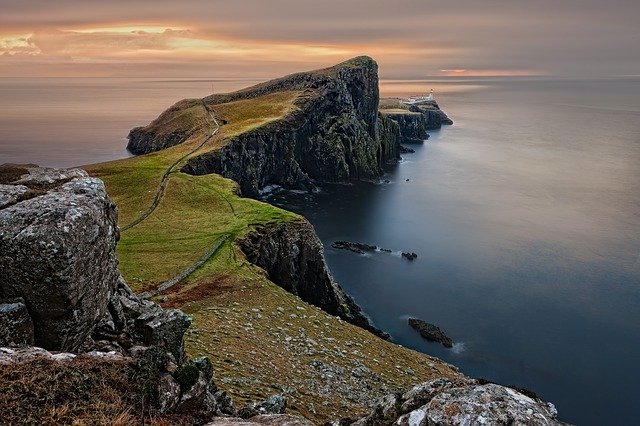
The British Isles is an archipelago made up of more than 6000 islands located in the North Atlantic. Great Britain is the largest island, with Ireland the second largest.
Many of these thousands of smaller islands also make up the territory of the United Kingdom and Ireland. The main offshore destinations include:
- Anglesea (Wales)
- Outer Hebrides (Scotland)
- Achilles Island (Ireland)
- Isle of Clare (Ireland)
- The Aran Islands (Ireland)
- The Channel Islands
- The Orkney Islands (Scotland)
- The Shetland Islands (Scotland)
- The Isle of Man
- The Isle of Wight (England)
Is English the only language in the UK?
Almost all of the UK’s 68 million inhabitants speak English. It is the official language
However, while everyone speaks English in the UK, it has to be said that not everyone in the UK is British. English is not the only language spoken by the inhabitants.
There are also a number of other languages spoken throughout the country. These include the following minority languages:
- Welsh
- Irish
- Scot
- Ulster-Scottish
- Scottish Gaelic
- Cornish

Welsh, Irish and Scottish in national colours and dress. Beefeater from England
However, it is quite rare to find yourself in a situation where only one of these languages is spoken, English is always present.
In particular official ceremonies or documentary acts, some of these languages may be used in conjunction with English. This is true in some parts of the UK such as Wales, Scotland and Northern Ireland.
The United Kingdom is what it is today thanks to the countries that make up its territory. It is a mix of different nationalities, a unique cultural landscape that is almost as varied as the geography of the earth itself. It is essential to travel with the right visa when visiting the UK. Visitors from the EU will need a UK eTA before travelling to Britain or the North Island, once Brexit is fully completed.
To do this, tourists will need to apply online and meet the necessary requirements.